Residential Services

Defensible space that protects your home — and your insurance.

If you live in Colorado's wildland-urban interface, the right mitigation work lowers your real fire risk and, under HB 1182, can help with your insurability. We do the work and document it the way insurers require.

Got a non-renewal or premium-hike letter? Take a breath. This is solvable. We'll assess your property, do the work that matters most, and hand you documentation your insurer can act on.

Free Assessment

What We Do

Complete residential mitigation
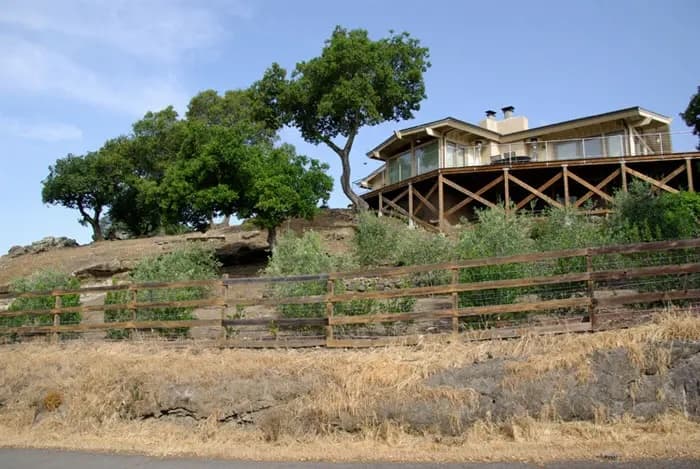
Each property is different. We build a plan around yours — never a one-size template.

Before-and-after of defensible space work around a foothills home

Defensible Space Creation & Maintenance
Full defensible space work across CSFS Zones 0–3, designed around your specific home, slope, and vegetation.

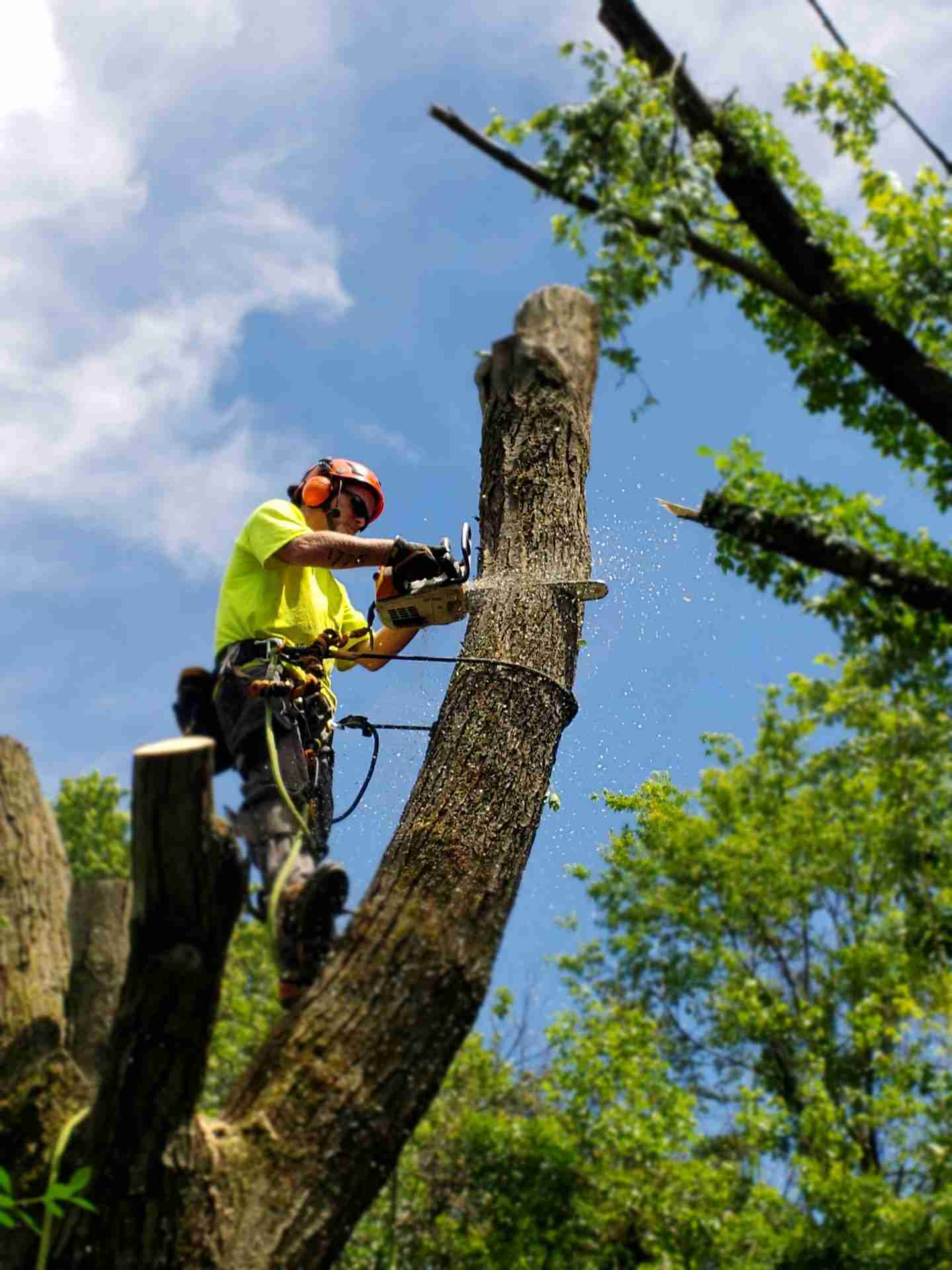
Assessing and removing a hazardous tree

Tree Thinning & Hazardous Tree Removal
Selective thinning to improve forest health and crown spacing, plus safe removal of dead, diseased, or hazardous trees.

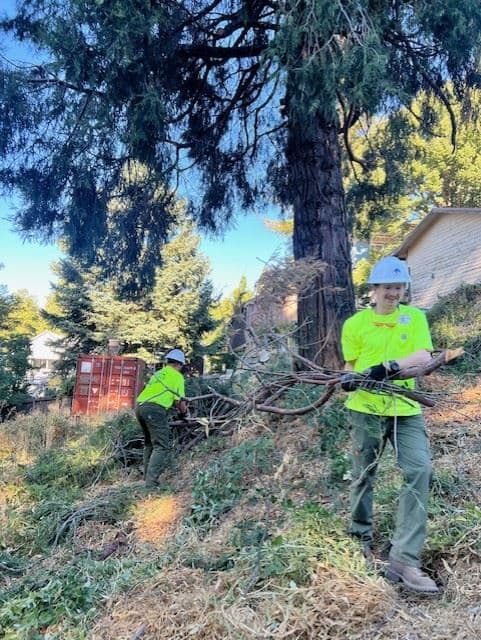
Crew clearing brush and ladder fuels on a sloped lot

Brush Clearing & Fuel Reduction

Removal of dense understory, dead-and-down material, and ladder fuels that carry fire toward your home.

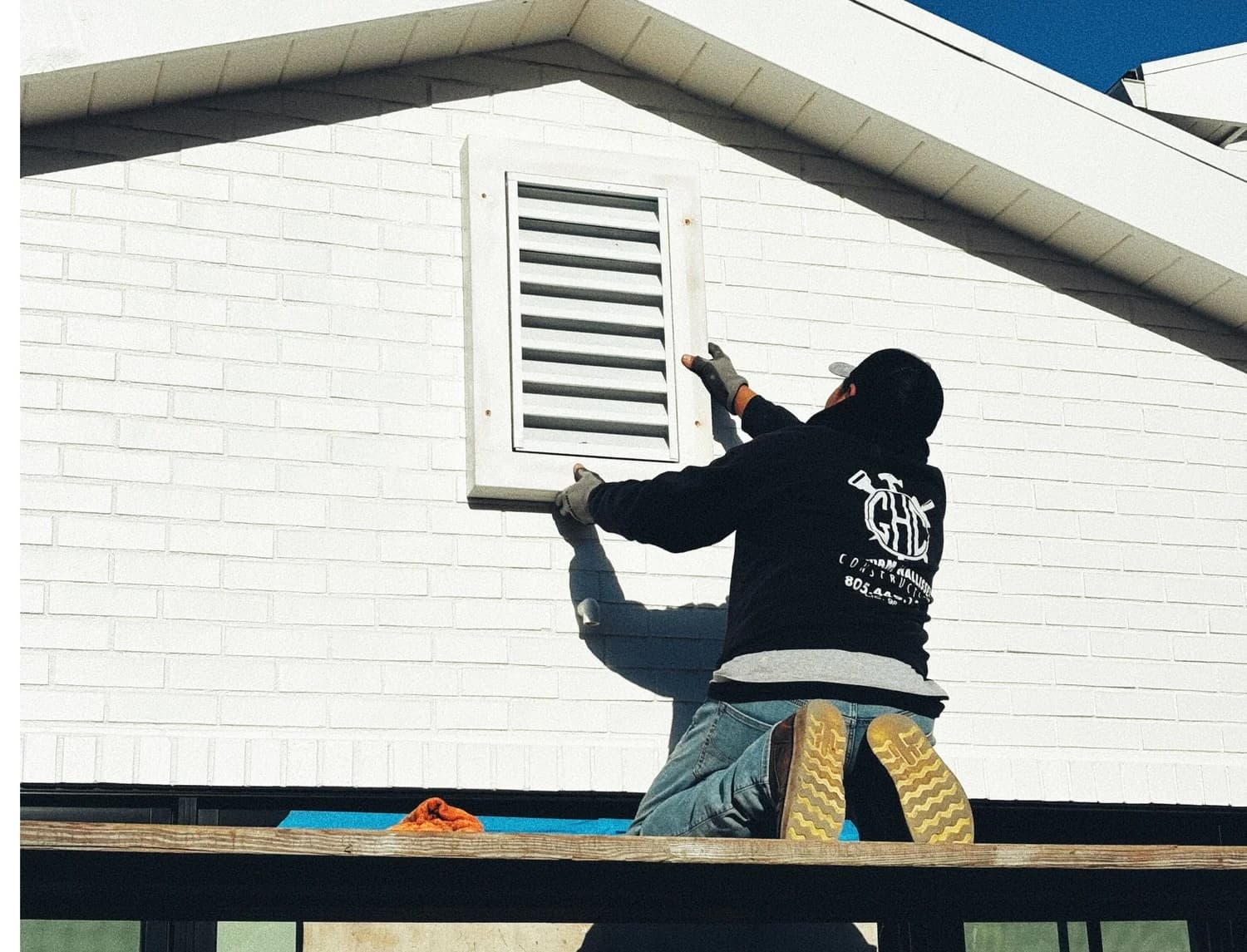
Inspector examining roof and vent ember-vulnerability points

Home Hardening Assessments

A walkthrough of the vulnerable points where embers actually ignite homes — vents, decks, gutters, siding, and the first five feet — with clear, prioritized recommendations.

CSFS Guidelines

The four zones of defensible space

Colorado State Forest Service guidelines organize the area around your home into concentric zones. We treat each one according to how fire actually moves.

Zone 00–5 feetThe Immediate Zone

The five feet right against your home — the most important and most overlooked. We remove flammable mulch, dead plants, and anything that lets embers ignite next to the structure.

Zone 15–30 feetThe Intermediate Zone

Careful spacing of shrubs and trees, removal of ladder fuels, and cleanup of dead vegetation to keep fire from climbing toward the house.

Zone 230–100 feetThe Extended Zone

Thinning and tree-crown spacing to slow a fire and drop it from the canopy to the ground, where it's far easier to control.

Zone 3100+ feetThe Outer Zone

On larger properties, broader fuel reduction and forest health work that protects both your home and your neighbors.

Our Key Differentiator

HB 1182 insurance documentation packages

Doing the mitigation work is only half the job. Under Colorado's HB 1182, insurers have to factor your wildfire mitigation into your risk score — but they can only credit work that's properly documented. A pile of receipts and a few phone photos usually isn't enough.

Here's what HB 1182 means for you in plain language:

  • It takes effect July 1, 2026. The framework for mitigation-based pricing is rolling out across Colorado insurers.
  • Insurers must factor in your mitigation work. Defensible space and home hardening you've completed has to be considered in how your premium and insurability are determined.
  • Professional documentation is required. That means dated invoices, before/after photos, property maps, and inspection reports — not a verbal description.
  • We deliver it in a format your insurer will accept. Every residential project ends with a clean documentation package you can submit directly.
Read the full HB 1182 guide

Your documentation package

Included with every residential project, at no extra charge:

  • Itemized, dated invoice describing the work performed
  • Before-and-after photographs of each treated area
  • A property map showing treated zones and clearances
  • A written inspection report from a qualified professional
  • Guidance on submitting it to your insurer
Already insured but worried? Documentation can also help if you're challenging a wildfire risk score or appealing a non-renewal.

Pricing Guidance

Typical residential projects range from $2,000 to $15,000

Your actual investment depends on property size, vegetation density, and slope. There's no charge to find out — we'll walk your property and give you a clear, itemized estimate.

Ready to lower your wildfire risk?

We'll assess your property, prioritize the work that matters most, and document everything for your insurer.